
Introduction
Cranes are essential for lifting heavy loads and facilitating complex projects in the bustling construction industry. However, with great power comes great responsibility, and addressing crane safety hazards is paramount. This article explores the common crane risks and outlines effective control measures to ensure a secure working environment.
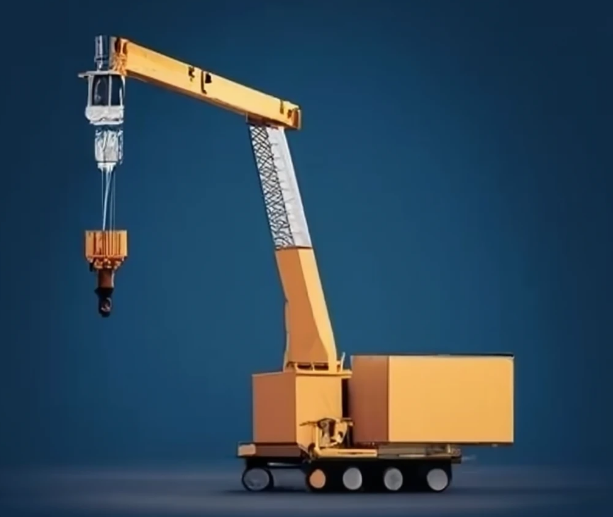
Common Crane Safety Hazards
Overloading
Establish the load weight and the actual lifting configuration before authorising the lift. Check the manufacturer’s load chart for the planned radius, boom configuration and support arrangement, including applicable rigging deductions. A load indicator supports the operator; it does not replace lift planning or authorise exceeding rated capacity. See OSHA 1926.1417 on crane operation (United States construction requirements).
Electrical Hazards
Overhead power-line contact is a critical crane electrical hazard. Assess the complete operating envelope, including the boom, load line, load and rigging. Identify voltage and the applicable clearance requirements with the responsible parties before setting up. Do not use one generic clearance distance for every line. Establish the required avoidance measures and stop if the agreed boundary cannot be maintained. OSHA 1926.1408 sets the United States construction approach for lines up to 350 kV; other voltages and jurisdictions require the applicable provisions.
Collapse Risks
Loss of stability can begin beneath the crane. Review ground bearing conditions, slope, underground services, voids and nearby excavations. Confirm the support arrangement and degree of level against the actual machine instructions. A visual impression that the surface looks firm is not evidence of adequate support. OSHA 1926.1402 addresses ground conditions in United States construction. Obtain the required competent assessment and resolve uncertainty before use.
Poorly Maintained Equipment
A neglected crane is a dangerous crane. Establishing routine maintenance schedules and clear replacement policies ensures that equipment is always in top-notch condition.
Understanding Crane Control Measures
Regular Inspection Protocols
Frequent inspections are the first line of defense against crane hazards. This section delves into the importance of establishing thorough inspection protocols to identify and address potential issues.
Operator Training and Certification
A well-trained operator can differentiate between a safe lift and a catastrophic incident. Explore the significance of robust training programs and ongoing professional development for crane operators.
Emergency Response Plans
Crane accidents can happen despite the best preventive measures. Learn about the role of emergency response plans in minimizing damage and ensuring a swift and coordinated reaction to unforeseen events.
Technology Integration for Safety
Technology plays a pivotal role in enhancing crane safety in the era of intelligent construction. This section explores the impact of IoT and real-time monitoring systems on reducing risks.
Overcoming Overloading Dangers
Load Capacity Awareness
Understanding a crane’s load capacity is fundamental to safe operations. This part discusses the importance of load capacity awareness and its role in preventing overloading incidents.
Advanced Load Monitoring Systems
Modern technology offers advanced load monitoring systems that provide real-time data. Discover how these systems contribute to proactive hazard prevention.
Mitigating Electrical Hazards
Inspections and Maintenance
Regular inspections and maintenance routines are essential to identify and rectify potential electrical hazards. This section outlines best practices for ensuring electrical safety in cranes.
Safe Operating Practices
Beyond inspections, safe operating practices are critical. Explore the habits and protocols operators should follow to minimize the risk of electrical accidents.
Preventing Collapse Risks
Structural Inspections
A stable structure is the foundation of crane safety. Learn about the importance of regular structural inspections and their role in preventing collapse risks.
Stability Monitoring
In the dynamic construction environment, stability monitoring systems add an extra layer of protection. Understand how these systems contribute to overall crane safety.

Importance of Well-Maintained Equipment
Routine Maintenance Schedules
Establishing routine maintenance schedules is not just a task; it’s a commitment to safety. Delve into the significance of periodic maintenance in ensuring equipment longevity and reliability.
Replacement Policies
Every piece of equipment has a lifespan. This section discusses the importance of clear replacement policies to retire aging cranes and bring in newer, safer models.
Operator Training and Certification
Rigorous Training Programs
Becoming a crane operator should involve rigorous training programs. Explore the critical components of practical training that prepare operators for the challenges of the job.
Ongoing Professional Development
Learning should never stop. This part emphasizes the importance of ongoing professional development to keep crane operators abreast of the latest safety protocols and technological advancements.
The Role of Emergency Response Plans
Crisis Preparedness
In times of crisis, having a well-thought-out emergency response plan is indispensable. Learn how companies can prepare for the unexpected and minimize the impact of accidents.
Communication Protocols
Effective communication is the linchpin of any emergency response. This section outlines the importance of clear communication protocols to ensure a coordinated and efficient response.
Integrating Technology for Enhanced Safety
IOT and Crane Safety
The Internet of Things (IoT) has revolutionized various industries, and cranes are no exception. Explore how IoT contributes to crane safety through data-driven insights and predictive analytics.
Real-time Monitoring Systems
Gone are the days of reactive safety measures. Discover the power of real-time monitoring systems in providing instant feedback and enabling proactive hazard prevention.
Addressing Crane Safety Perplexities
Complexities in Load Dynamics
Crane operations involve intricate load dynamics. This part navigates the complexities and discusses safe and efficient load-handling strategies.
Balancing Safety and Efficiency
While safety is paramount, efficiency is also crucial. Strike the right balance between the two, ensuring that safety measures enhance, rather than hinder, overall operational efficiency.
Burstiness in Crane Safety Measures
Swift Responses to Emergencies
In the fast-paced construction environment, emergencies demand swift responses. Learn how burstiness in safety. measures, such as immediate action plans and rapid deployment of resources, can significantly minimize the impact of unforeseen events.
Quick Decision-Making Protocols
In times of crisis, split-second decisions can decide between safety and disaster. This section explores the importance of quick decision-making protocols to empower crane operators and response teams.
Engaging Crane Safety Practices
Interactive Training Modules
Traditional training methods may not effectively resonate with modern crane operators. Discover the benefits of interactive training modules that engage operators, making learning effective and enjoyable.
Simulation Exercises
Simulating real-world scenarios allows operators to hone their skills in a controlled environment. This part delves into the importance of incorporating simulation exercises into training programs for a hands-on learning experience.
FAQs
Q1: What should operators do in case of sudden equipment malfunctions?
A: Operators should follow predefined emergency shutdown procedures, secure the area, and report the malfunction immediately to the relevant authorities for prompt resolution.
Q2: How often should cranes undergo routine inspections?
A: Routine inspections should be conducted regularly, with the frequency determined by factors such as the crane’s usage, environmental conditions, and manufacturer recommendations.
Q3: Are there specific weather conditions that impact crane safety?
A: Yes, adverse weather conditions such as high winds, lightning, or heavy rain can pose significant risks to crane operations. It’s crucial to have weather-specific safety protocols in place.
Q4: What steps can companies take to encourage a safety culture among crane operators?
A: Companies can promote a safety culture by investing in comprehensive training programs, fostering open communication, and recognizing and rewarding safety-conscious behavior.
Q5: How can technology contribute to reducing crane-related accidents?
A: Technology, such as IoT and real-time monitoring systems, enhances safety by providing data-driven insights, predicting potential issues, and enabling quick responses to prevent accidents.
Conclusion
In the ever-evolving landscape of construction, crane safety remains a non-negotiable priority. This article has dissected the various hazards associated with crane operations and provided in-depth insights into control measures. As we navigate the complexities of load dynamics, electrical risks, and the need for well-maintained equipment, one thing becomes clear: a proactive approach to safety is paramount.
Before releasing the lift: practical hold points
Use these questions during the lift briefing: Is the load and configuration verified? Is the ground assessment available? Is the planned travel and slewing path clear? Are overhead services addressed? Are the operator, lifting team and communication arrangements suitable for the task? Can people be kept outside the assessed danger area? Are equipment defects and changing weather conditions resolved? An unanswered safety-critical question is a reason to hold the lift and involve the responsible person.
Illustrative example: a delivery vehicle blocks the planned landing area after the briefing. The team stops and reviews the new landing position, operating radius and pedestrian interface before continuing. Moving the load farther away without reassessing the configuration could invalidate the original planning assumptions.
Applicability: OSHA links above describe United States construction requirements. For Saudi projects, confirm the applicable local and client requirements, approved lift plan and manufacturer instructions. This article supports hazard recognition and does not approve a lifting operation.