

Introduction
Understanding fall risk ICD-10 coding is essential for providers and coders. Proper documentation ensures accurate medical coding for falls. It also supports patient safety. Accurate coding helps with reimbursement. Codes include risk of falls and history of falling (Z91.81).Clarity and precision are important in coding.
In this article, we will walk you through the most important codes, tips for accurate documentation, and how to avoid common mistakes. All to help you confidently handle fall risk coding in your clinical practice.

What Is Risk for Falls?
Risk for falls refers to the chance that a person might experience a fall due to various health factors. It’s different from an actual fall or injury. Understanding this risk is crucial in healthcare to prevent accidents and improve patient safety. Accurately coding the risk of falls ICD 10 helps track patients who need extra care and fall prevention strategies.
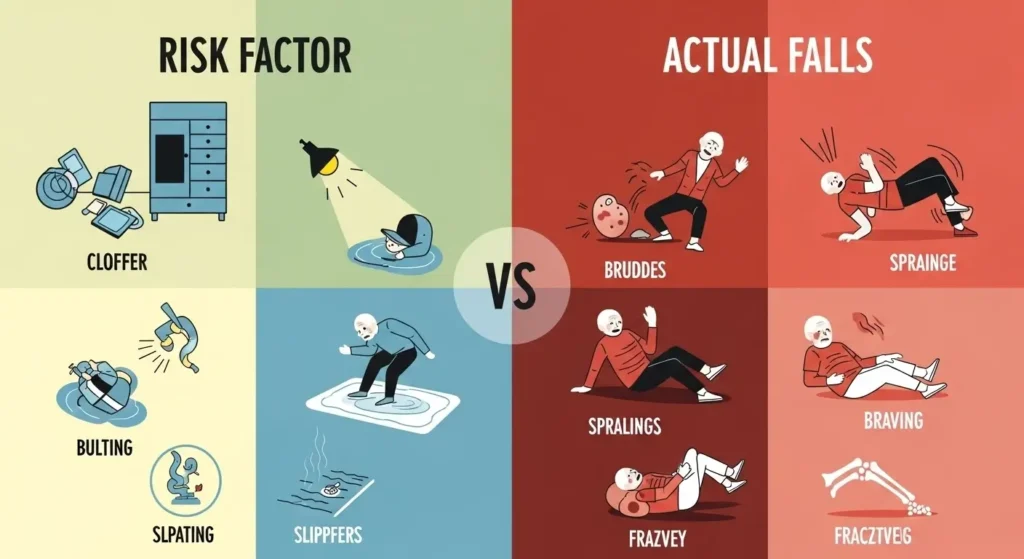
Difference Between Risk and Actual Falls
While ICD 10 codes for fall risk describe the likelihood of falling, other codes document actual fall events or injuries. Knowing this difference ensures proper coding and care planning.
Most Common ICD-10 Codes for Risk of Falls
Several key risks for Falls ICD-10 are essential for accurate coding.
- Z91.81 represents “history of falling.”
- R29.6 indicates “repeated falls.”
- These codes help document patients at risk, even if no fall has occurred yet.
- Codes related to impaired mobility ICD 10 and gait abnormalities often link to fall risk.
- Using the correct code ensures clear communication and supports effective fall prevention efforts.
Step-by-Step Guide to Accurate Coding
- Accurate risk for falls ICD 10 coding begins with thorough documentation.
- Review patient records for fall risk factors such as impaired mobility or history of falls.
- Select the appropriate ICD 10 code, like Z91.81 for history of falling or R29.6 for repeated falls.
- Avoid confusing fall risk codes with those for actual fall injuries.
- Follow official coding guidelines for falls to prevent errors and ensure proper billing.
- Clear documentation is essential to support fall prevention and enhance patient safety.
Linking Risk of Falls to Patient Safety and Reimbursement
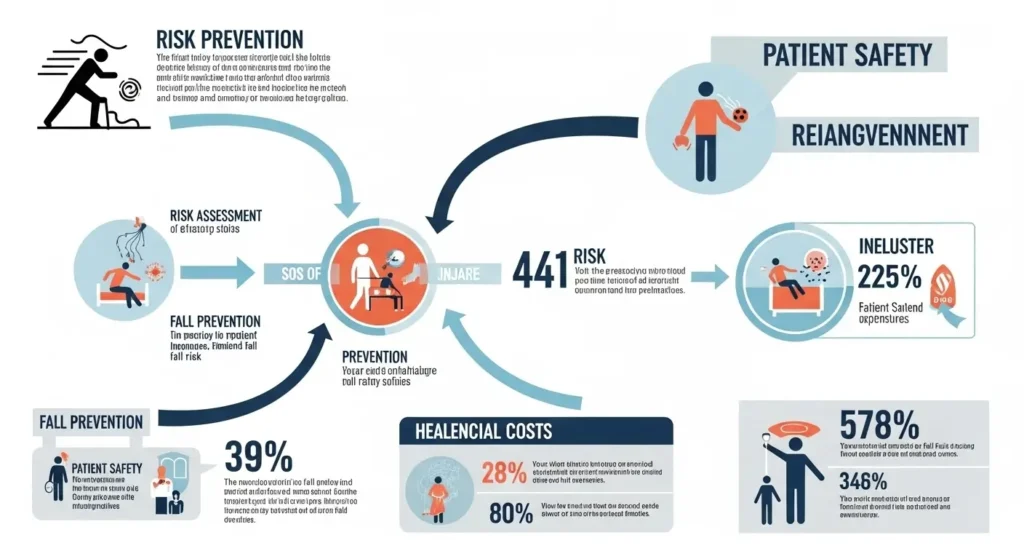
Properly coding the risk for falls ICD 10 plays a vital role in patient safety. Accurate documentation helps healthcare teams identify at-risk patients and install fall prevention strategies. Moreover, using the correct ICD 10 code for risk of falls impacts hospital quality metrics and reimbursement. Insurers often need precise coding to approve claims related to fall risk anaylsis management. By coding fall risk accurately, providers support both better care outcomes and financial health of their organizations.
Role of Allied Health Professionals in Coding Fall Risk
Allied health professionals, like physical therapists and nurses, are key in fall risk identification. They assess mobility and other fall risk factors. This helps select correct ICD-10 codes for impaired mobility and fall risk. Their detailed notes support accurate fall risk documentation. They ensure comprehensive patient care.Collaboration between clinicians and coders improves coding accuracy. This teamwork strengthens fall prevention efforts.
Fall Risk Documentation: Beyond the Codes
Good fall risk documentation is more than just ICD-10 codes. Clinicians should add detailed notes on assessment results. They should note factors like impaired mobility. Preventive measures taken must also be recorded. Clear documentation helps accurate medical coding. It helps the care team understand patient needs. Strong communication among doctors, nurses, and therapists is key. This teamwork ensures fall risks are managed well. It also ensures proper coding.
Tools & Technologies Supporting Fall Risk Management
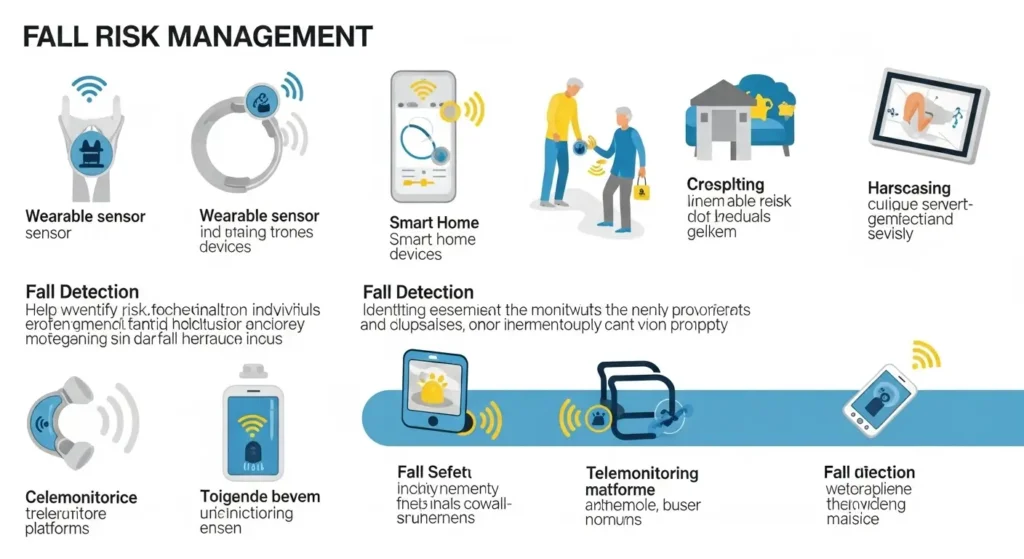
Modern healthcare uses tools to improve fall risk assessment. Electronic health records (EHR) have built-in alerts for high fall risk. These alerts include ICD-10 codes for fall risk. Some clinics use special apps to screen fall risk. These apps track patient mobility. They update ICD-10 codes for impaired mobility and fall risk. These tools streamline documentation. They support accurate coding. They improve patient safety. They flag patients needing extra attention.
Legal and Compliance Aspects
When coding the risk for falls ICD-10, legal and compliance aspects are important. Accurate fall risk coding helps meet regulatory requirements and protects against audits. Ethical issues, such as respecting patient privacy when documenting sensitive data, must be considered. Cultural and demographic factors can also affect fall risk. These should be noted in clinical documentation. Addressing these advanced topics ensures a thorough and responsible approach to fall risk documentation and coding.
FAQs
What ICD-10 code is used for risk of falls?
The primary code is Z91.81, which represents a history of falling or risk for falls.
How do I code an actual fall versus fall risk?
Use injury-specific codes for actual falls and Z91.81 or R29.6 for documenting fall risk.
Can impaired mobility be coded with fall risk?
Yes, impaired mobility codes often complement fall risk coding to provide a complete clinical picture.
Why is accurate fall risk coding important?
It improves patient safety, supports fall prevention, and ensures proper reimbursement.
Are there specific tools to assist with fall risk documentation?
Yes, many EHRs and screening apps help track fall risk and support accurate ICD-10 coding.
Conclusion
In conclusion, accurate risk for falls ICD 10 coding is vital for patient safety. It also ensures proper documentation and correct reimbursement. Understanding key codes like Z91.81 and R29.6 is important. Follow coding guidelines carefully. Collaboration across healthcare teams improves fall prevention. Stay updated on coding changes. Use available tools to streamline your workflow. For more help, consult official coding manuals and clinical guidelines. Trusted resources keep your fall risk documentation accurate and effective.